
What happened
A new proposal has been presented regarding the EU's next long-term budget. The proposal could mean that Sweden's fee to the union is significantly increased by several billion kronor. The Swedish government states that it remains critical of the budget proposal.
Our analysis
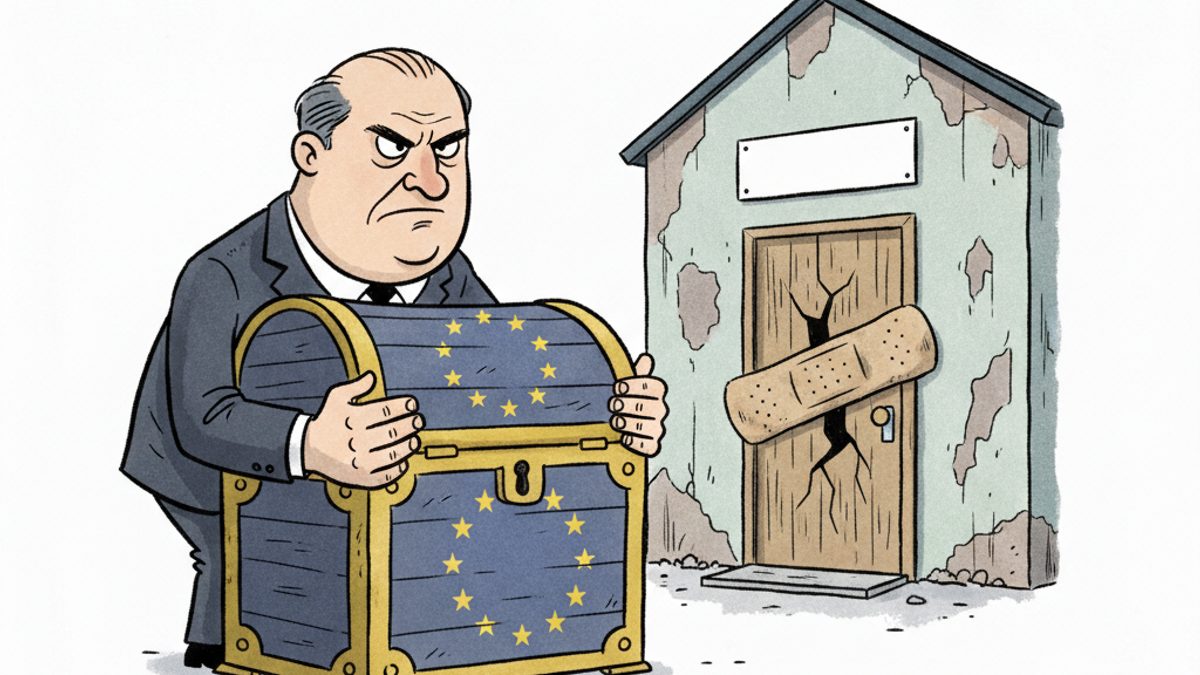
When the EU fee is to be negotiated, the government immediately raises the alarm over every billion. The argument is familiar: taxpayers' money must be protected. But the concern for common resources usually sounds completely different when it comes to welfare at home.
In municipalities and regions, cuts are simultaneously being made to schools, healthcare, and language instruction. There, the coffers are always said to be empty. The bill for that policy is paid primarily by new Swedes, who both staff the floor in elderly care and are hit hardest when support disappears.
It is not just about the EU's budget. It is about which expenditures those in power regard as necessary and which are seen as a burden. When the state negotiates over billions in Brussels, the same seriousness should apply to the services that sustain Sweden every day.
Explained
The EU's long-term budget determines how much money the union is allowed to use over seven years. Each member state pays a fee calculated based on the country's economy.