
What happened
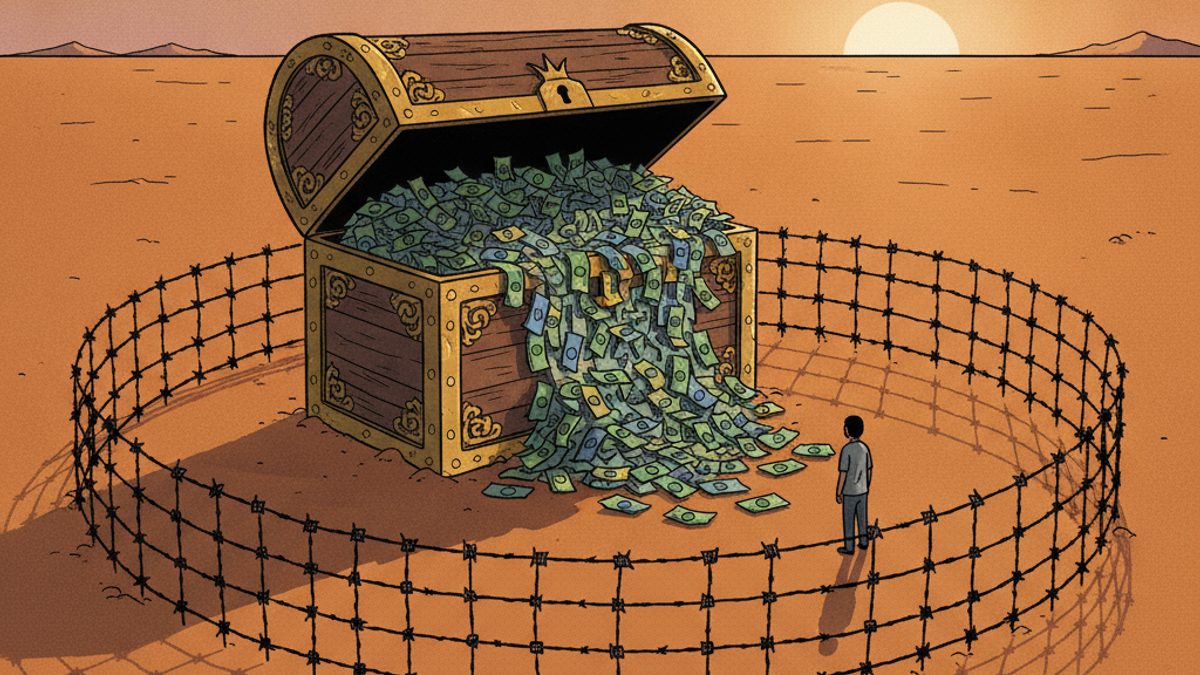
Several European countries, including Denmark, Germany, Austria, Greece and the Netherlands, are discussing establishing asylum centers in Rwanda. The plan is based on asylum seekers who are denied protection in Europe being sent to the country. The UK recently attempted to implement a similar project that cost 9.5 billion kronor before being scrapped by Keir Starmer's government. Throughout the entire British effort, only four people were sent to Rwanda, while the regime in Kigali received nearly four billion kronor. Rwanda is today ruled authoritatively by President Paul Kagame and is simultaneously accused of fueling the war in neighboring Kongo-Kinshasa.
Our analysis
Europe's politicians are competing to distance themselves from fundamental asylum rights. When European governments want to pay billions to a foreign dictatorship, it is not about law and order. It is about buying their way out of moral and legal responsibility.
The price of this policy is paid twice by new Swedes and people on the run. While European tax funds are pumped into authoritarian regimes to close borders, criticism of those same regimes' abuses falls silent. When European leaders turn a blind eye to violence in other countries, new conflicts are created that force even more people to flee.
The rhetoric is turned on its head here. The politicians who claim to want to crush smugglers and reduce refugee flows are in practice financing the instability that forces families to leave their homes.
Explained
Third-country cooperation means that a state pays another country outside the EU to receive asylum seekers and process or enforce their asylum cases there.