
What happened
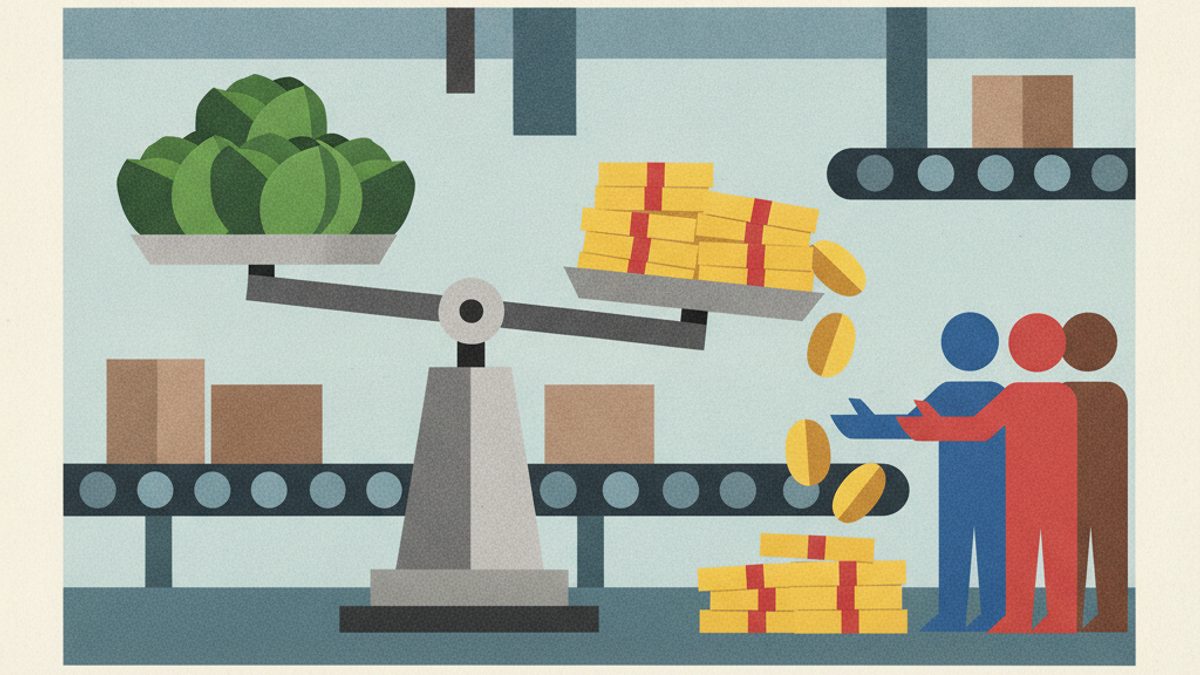
Employees at the salad company Vidinge Grönt were underpaid for several years. The union took a stand against the employer after the underpayment had continued for three years. The parties have now reached an agreement that grants the staff a multi-million sum in retroactive wages. The settlement has led to increased commitment to union work among the employees at the workplace.
Our analysis
The debate on labor in Sweden often revolves around keeping wages down to get more people into work. At the same time, the case at Vidinge Grönt shows what reality looks like for those who actually sustain Swedish food production. Companies can make multi-million profits by underpaying those who toil the hardest on the floor.
The fact that incorrect wages can continue for three whole years without the system sounding the alarm reveals a profound vulnerability in the Swedish labor market. When errors are uncovered, they are often blamed on administrative mistakes. But the pattern is always the same: the profit ends up with the employer and the loss with the individual worker.
This victory demonstrates why organizing is vital. Rights and collective agreements are empty words if no one demands they be respected. When workers stand together, they shift the balance of power back to those who actually do the job.
Explained
Retroactive pay means that an employer pays wages after the fact for work that has already been performed, usually after an underpayment has been corrected.