
What happened
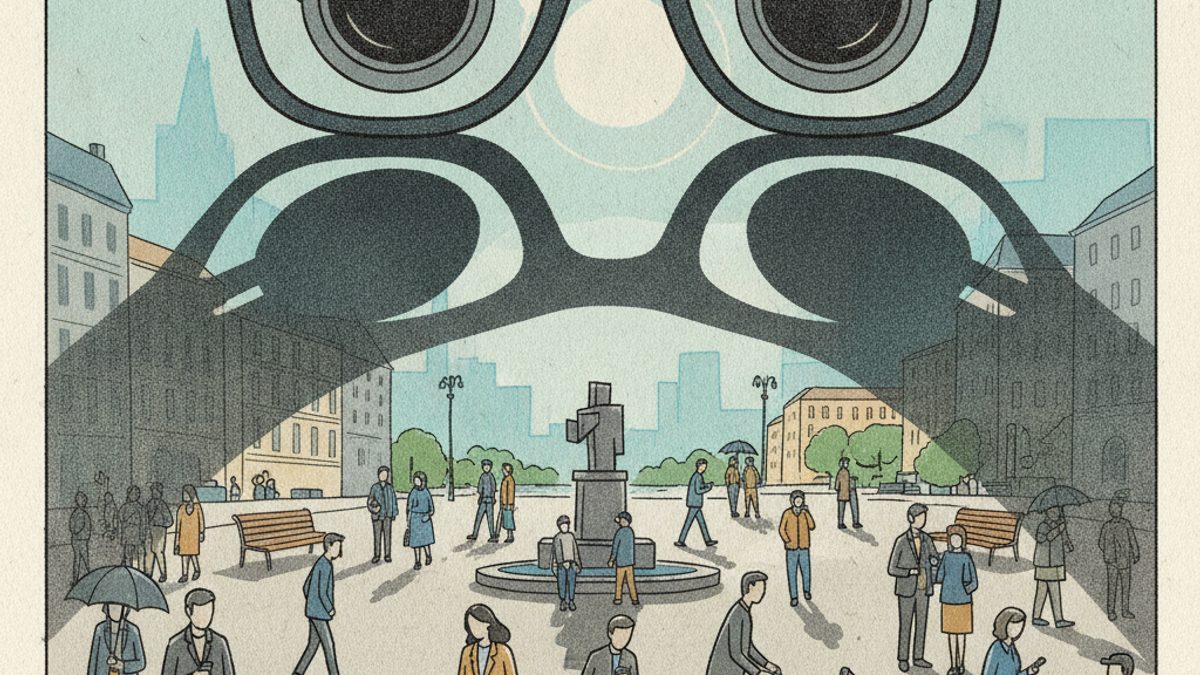
In Norway, the government wants to ban smart glasses with cameras in public places following reports of people being secretly filmed and exposed on social media. At the same time, the Swedish optician chain Synsam sees a growing demand and significant market potential for the product in Sweden. The company's CEO emphasizes that customers themselves accept the terms of use and that a small light on the frame turns on when recording is underway. Under Swedish law and data protection rules, consent is normally required if videos of other people are distributed to a wider audience on the internet.
Our analysis
When big tech companies launch new gadgets, the bill for lost security always falls on the public. Covert filming in public spaces is no abstract problem. For women and for many new Swedes who are already subjected to stares, suspicion, or harassment on buses and streets, hidden camera equipment represents a direct sense of insecurity in everyday life. No one should have to worry about having their face mocked online just for moving about outdoors.
Swedish corporations are dodging their responsibility. Pointing to a small LED light and claiming that the customer bears full responsibility is a convenient way to count profits while others take the risks. An illuminated light stops no one who wants to violate a fellow human being.
In Norway, the government is putting its foot down to protect citizens' privacy. In Sweden, those in power let the market run rampant and pretend that complex laws will solve the problems after the damage is already done. It is a betrayal of everyone who has the right to be in public spaces without being turned into content in strangers' video clips.
Explained
The General Data Protection Regulation (GDPR) is a European law that protects people's personal data and privacy. Under the law, it is prohibited to disseminate videos and images of people to a wider audience without legal grounds or consent.