
What happened
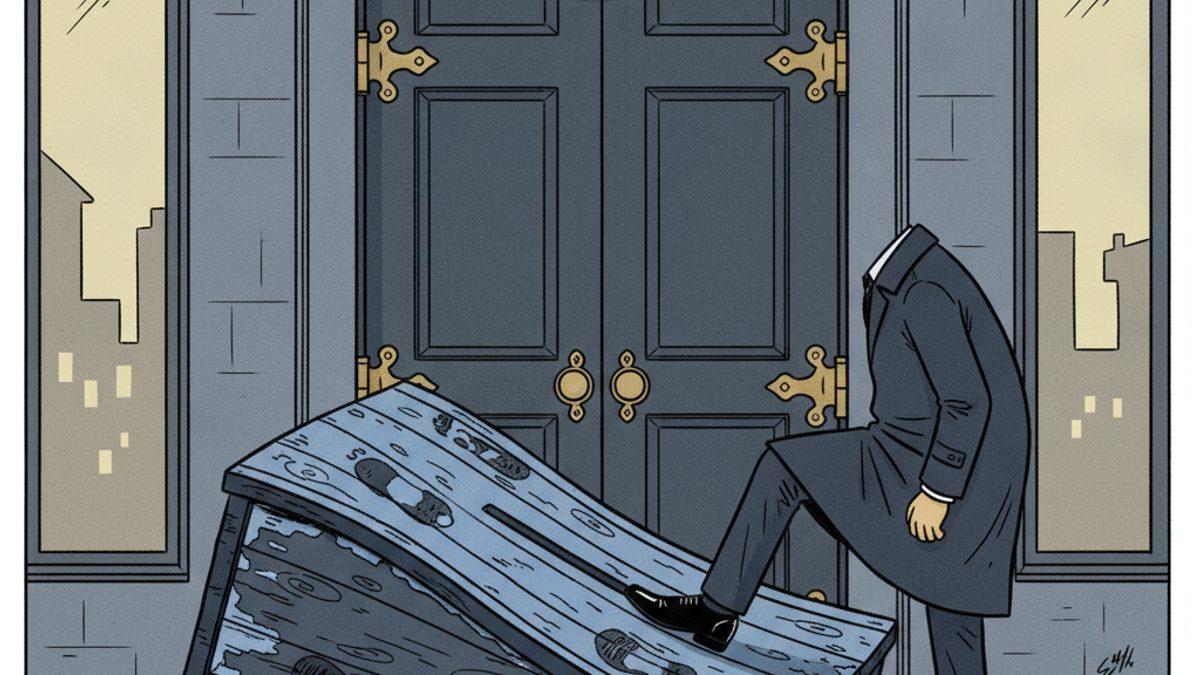
Vänsterpartiet had a strong parliamentary election in the district of Skärholmen south of Stockholm. Following the election, the party is facing intense pressure to revoke its congress decision and accept a role as a pure support party to Socialdemokraterna. Socialdemokraterna's leader Magdalena Andersson has taken a hardline stance against the party regarding the government issue. Voters in the area express mixed opinions on how the party should act and believe that all sides must compromise.
Our analysis
The pattern is familiar in Swedish politics. When the ballots are counted, the votes from areas like Skärholmen, where many new Swedes live and work, are absolutely crucial. But as soon as the seats are allocated, the same voters and their representatives are expected to remain quiet and fall in line.
The demand that Vänsterpartiet roll over is not just about government negotiations. It is about power and representation. Socialdemokraterna take suburban residents' votes for granted while anxiously adapting their own policy to the anti-immigration right.
The message to new Swedes becomes clear: your loyalty is welcome on election day, but your demands for welfare, security, and equality must not disturb the circles of power. The willingness to compromise that is always demanded from the suburbs never seems to apply to the corridors of power themselves.
Explained
A support party is a political party that votes into power a government in the Riksdag without itself sitting in government and receiving ministerial posts.